Repairing Loose Railings, Steps, and Handrails
People searching for repairing loose railings, steps, and handrails are typically seeking safe, secure solutions, and local contractors can provide expert repairs to restore stability and safety.
If you’ve noticed that your railings, steps, or handrails are becoming loose or unstable, you’re not alone. Many property owners in the area find that over time, regular use can cause these structures to shift or wobble, which can impact both safety and appearance. Addressing these issues promptly helps maintain the integrity of your property and ensures that walkways and stairs remain secure for everyone. Exploring repair options with experienced local contractors can provide practical solutions to restore stability and peace of mind.
Local service providers specializing in repairing loose railings, steps, and handrails understand the importance of a sturdy, reliable structure. They can assess the condition of your existing fixtures and recommend effective repairs that fit your specific situation. Whether it’s tightening loose fittings or replacing worn components, these professionals help ensure your property remains safe and visually appealing. Keep reading to learn more about common causes of looseness and how local experts can assist with restoring your railings, steps, and handrails to optimal condition.
- Loose railing repair - when railings become unstable or wobbly, local contractors can secure or replace damaged components to restore safety.
- Steps repair - if stairs are loose or creaky, service providers can tighten or rebuild steps to ensure stability and safety.
- Handrail repair - when handrails are loose or damaged, local pros can reinforce or replace them to provide reliable support.
- Loose railing repair - for railings that are pulling away or have become unstable, local contractors can reattach or reinforce the structure.
- Steps and handrails repair - when safety concerns arise from loose or damaged steps and handrails, service providers can perform necessary repairs to prevent accidents.
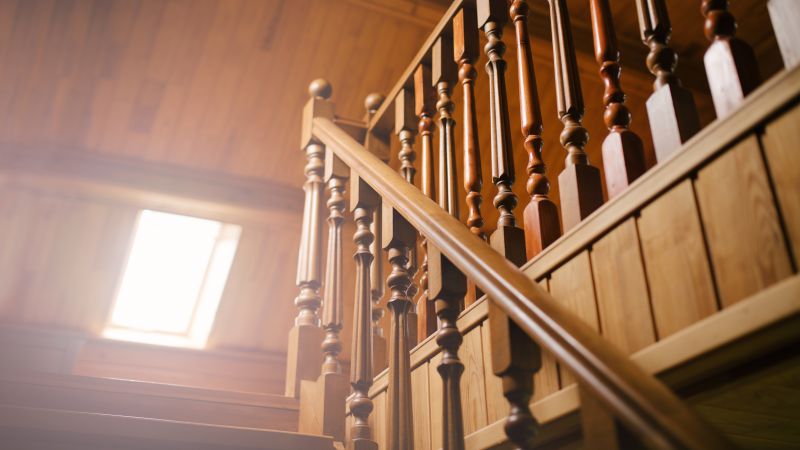
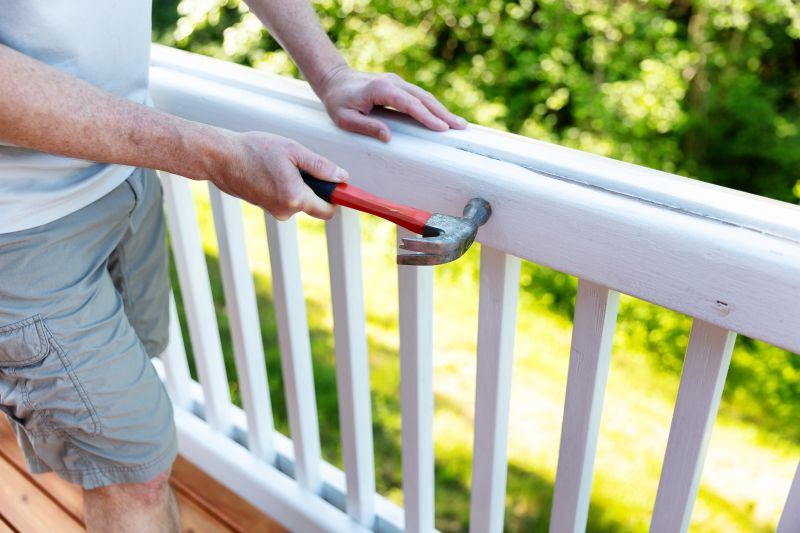
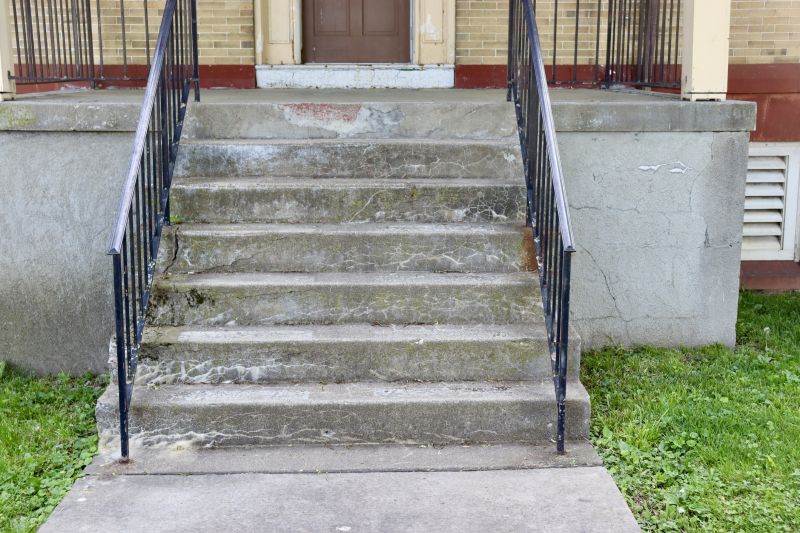
When searching for information about repairing loose railings, steps, and handrails, homeowners typically want to address safety concerns around their property. Loose or unstable railings and steps can pose a risk of falls or injuries, especially in homes with children, elderly residents, or individuals with mobility challenges. People often look for solutions to restore stability and prevent accidents, which involves assessing the condition of existing structures and determining whether repairs or replacements are necessary. This topic also encompasses plans to improve the overall safety and accessibility of a property’s entryways, staircases, or outdoor walkways.
The problems associated with loose railings, steps, and handrails usually stem from wear and tear, weather exposure, or improper installation. Over time, fasteners can loosen, wood can rot, or metal components can corrode, leading to instability. Homeowners might notice wobbly handrails, creaky steps, or loose balusters that no longer provide proper support. Repairing these issues often involves tightening or replacing hardware, reinforcing structural components, or updating outdated parts to meet current safety standards. Many property owners consider these repairs as part of routine maintenance or as a response to recent damage or deterioration.
Properties that typically come up in discussions about repairing loose railings, steps, and handrails include residential homes, especially those with multiple stories or outdoor decks. Older houses are more prone to these issues due to aging materials, but new constructions can also experience problems if installation was not done correctly. Additionally, commercial properties, such as restaurants, retail stores, or apartment complexes, often require regular maintenance of their staircases and handrails to ensure compliance with safety regulations. Regardless of property type, the goal remains the same: restoring stability and ensuring safe access for everyone.
Local service providers who specialize in repairing loose railings, steps, and handrails play a key role in helping homeowners and property managers address these concerns. These contractors can evaluate the existing structures, identify underlying issues, and recommend appropriate repairs or upgrades. They handle tasks such as tightening fasteners, replacing damaged components, or installing new handrails that meet safety standards. Connecting with these local pros makes it easier to find experienced, reliable help for projects that improve safety, enhance property value, and provide peace of mind for residents and visitors alike.
Deck and Porch Railing Installation - installing new railings on decks and porches involves similar skills in securing and anchoring handrails to ensure safety and stability.
Staircase Repair and Renovation - fixing loose or damaged staircase components requires planning and tools comparable to those used in repairing loose steps and handrails.
Balcony and Guardrail Replacement - replacing or repairing balcony guardrails involves understanding load requirements and proper fastening methods similar to loose railing repairs.
Exterior Door and Window Frame Repair - ensuring frames are secure and properly aligned shares techniques with stabilizing loose railings and handrails for safety.
Fence and Gate Repair Services - repairing loose or unstable fences and gates involves similar planning and fastening skills as fixing loose railings and steps.
Interior Staircase Upgrades - upgrading or repairing interior stair railings and steps requires precise planning and tool use akin to exterior railing repairs.
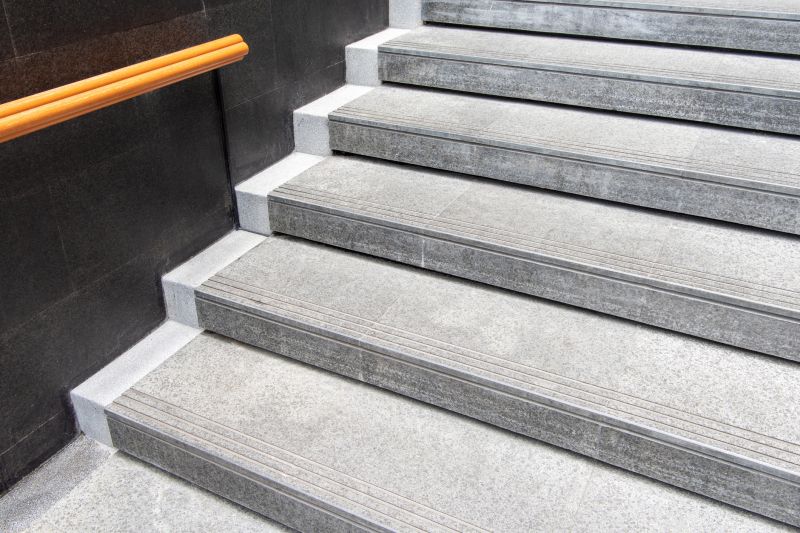
When evaluating service providers for repairing loose railings, steps, and handrails, it’s important to consider their experience with similar projects. Homeowners should inquire about how long a contractor has been working on these types of repairs and whether they have a track record of completing projects comparable in scope and complexity. A contractor’s familiarity with different railing materials and construction styles can indicate their ability to deliver quality results that meet safety and aesthetic expectations. Reviewing portfolios or asking for references related to previous work can help gauge whether a contractor’s experience aligns with the specific needs of the repair.
Clear written expectations are essential to ensure both parties understand the scope of work, materials to be used, and the desired outcome. Homeowners should seek service providers who can provide detailed estimates or proposals that outline the steps involved in repairing loose railings, steps, and handrails. Having this information in writing helps prevent misunderstandings and sets a benchmark for quality and accountability. It’s also beneficial to discuss the process upfront, including how the repairs will be performed and what the finished work will entail, to ensure alignment before work begins.
Reputable references and good communication are key factors when choosing a local contractor for railing repairs. Homeowners should ask for references from previous clients to verify the contractor’s reliability and professionalism. Listening to feedback about the contractor’s responsiveness, clarity in explanations, and ability to address concerns can provide insight into how well they communicate throughout the project. Effective communication ensures that any questions or issues are addressed promptly, leading to a smoother repair process and a final result that meets expectations. Prioritizing these qualities helps homeowners find service providers who are dependable and transparent in their work.
Property owners often search for repairing loose railings, steps, and handrails when they are planning practical projects around their homes and businesses. Local pros provide Loose Railings, Steps, and Handrails Repair services for everyday jobs and straightforward project options.
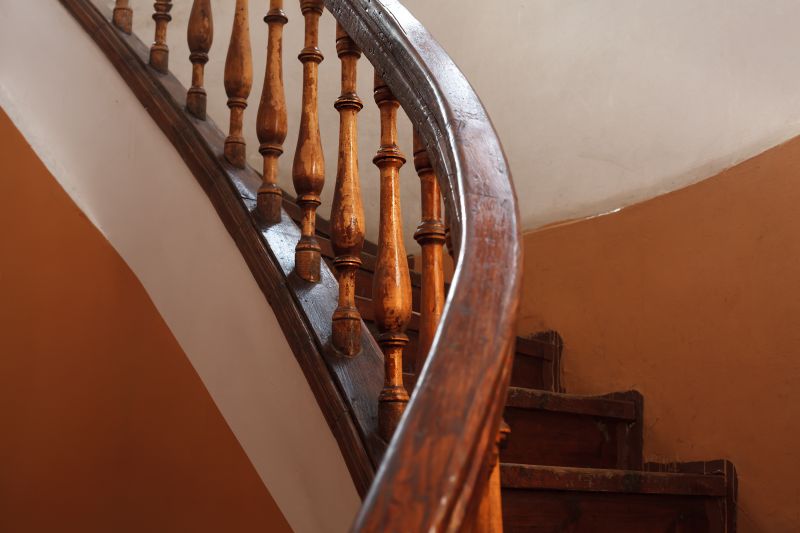
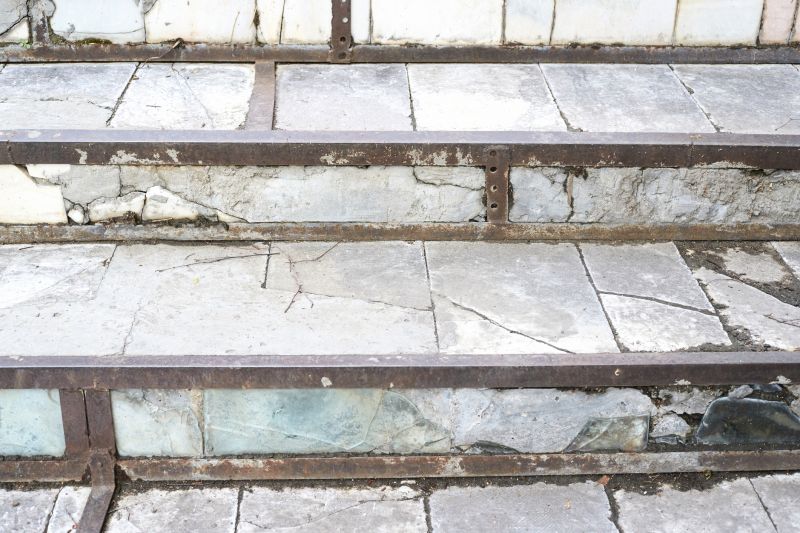
Loose railings, steps, and handrails are common issues that property owners encounter in everyday settings, whether on residential porches, stairs, or outdoor walkways. Over time, regular use, weather exposure, or minor impacts can cause these features to become unstable, posing potential safety hazards. Many people search for repair solutions to ensure their homes remain secure and accessible, especially when noticing wobbly or loose components that could lead to accidents or injuries.
When dealing with loose railings, steps, and handrails, hiring experienced local contractors can provide reliable repair services to restore stability and safety. These service providers have the skills to assess the condition of existing fixtures and perform necessary fixes, whether tightening loose fittings, replacing damaged parts, or reinforcing weak connections. Connecting with local professionals ensures that repairs are handled efficiently and effectively, helping property owners maintain safe and secure environments around their homes.
What causes railings, steps, and handrails to become loose? Loose railings, steps, and handrails can result from age, frequent use, or improper installation, leading to instability and safety concerns.
How can local contractors fix loose railings, steps, and handrails? Local service providers typically assess the attachment points, tighten or replace hardware, and secure the components to restore stability.
Are there different repair methods for wood versus metal railings and handrails? Yes, repair techniques vary depending on the material; wood may require reinforcement or replacement of damaged sections, while metal may need welding or re-fastening.
What signs indicate that loose railings, steps, or handrails need repair? Signs include wobbly movement, gaps between the railing and surface, or visible damage, which can compromise safety and require professional attention.
What should be considered when choosing a service provider for repairing loose railings, steps, and handrails? It's important to select experienced local contractors who can properly assess and securely repair the structures to ensure safety and durability.
Assessing stability - property owners can evaluate loose railings, steps, and handrails to determine areas needing repair before hiring local contractors. Choosing durable materials - selecting weather-resistant and strong materials can help ensure repairs last longer and improve safety. Planning repair projects - outlining specific fixes for loose components allows property owners to work effectively with service providers on repair services. Prioritizing safety concerns - addressing loose railings and steps promptly helps prevent accidents and creates a safer environment around the property.
If you are thinking about repairing loose railings, steps, and handrails for a property, this guide is meant to help you understand this topic, the typical project types, and how different options might fit your plans.
When you are ready, you can use the quote form on this page to share a few details about your project. From there, local pros can review the basics and follow up with options that match what you have in mind.